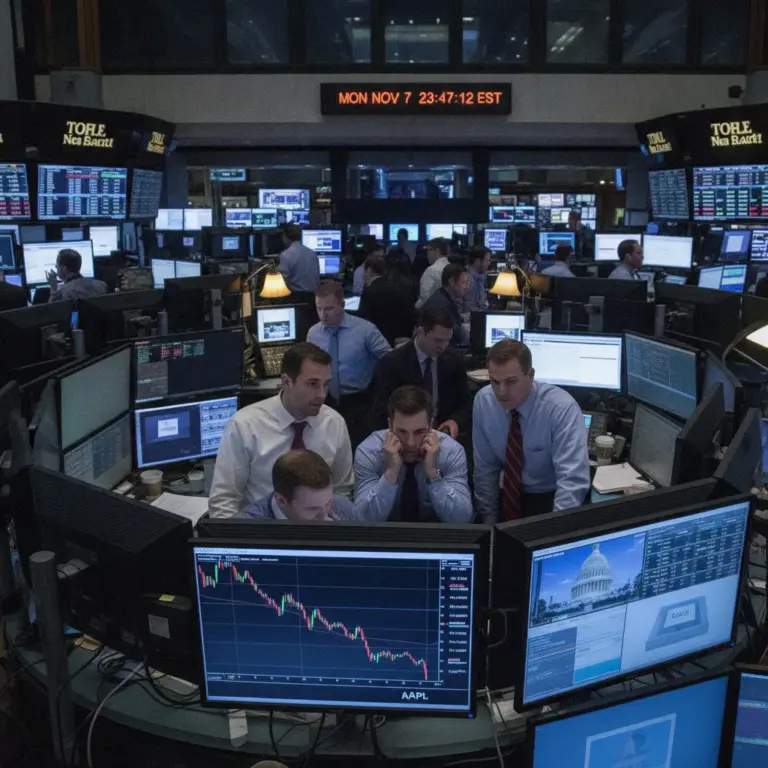


Investors are currently weighing whether the recent dip in SpaceX shares represents a golden opportunity or a dangerous trap. After sliding eleven percent in October, the stock has drifted below the 140 dollar mark, landing uncomfortably close to its initial public offering price of 135 dollars. This decline mirrors a broader cooling of enthusiasm for artificial intelligence stocks, revealing a surprising truth about the company. While rocket launches capture the headlines, much of SpaceX’s financial engine and future growth strategy is tied directly to AI, leaving it vulnerable to the same market swings affecting Silicon Valley giants.
The primary concern for cautious observers is that the company’s valuation relies far more on Elon Musk’s visionary storytelling than on traditional financial health. From colonizing Mars to establishing orbital data centers, Musk has painted a breathtaking picture of the future. However, critics point out that these ambitious timelines rarely align with reality. A recent analysis suggests that many of Musk’s corporate promises remain unmet or chronically delayed, making it risky to bet heavily on milestones that may never materialize within a reasonable timeframe.
A closer look at the balance sheet reveals deep contradictions between revenue and expenditure. Although SpaceX reported an operating profit recently—driven largely by Starlink connectivity—its core space exploration ventures continue to lose money. Even more alarming is the aggressive spend in its Super Intelligence division; capital expenditures reached 16.4 billion dollars last quarter, actually exceeding the company’s total quarterly revenue of 14.6 billion dollars. This level of spending indicates a massive gamble on AI payoffs that aren’t yet guaranteed.
Ultimately, buying into SpaceX right now feels like paying a steep premium for possibilities rather than certainties. With rising interest rates potentially dampening demand and fierce competition crowding the AI sector, any slip in performance could lead to further volatility. For those tempted by the current price drop, it is important to remember that this is not a conservative investment. Between the astronomical valuation and the unpredictable nature of its leadership, shareholders should expect a bumpy ride regardless of how high their hopes for Mars may be.