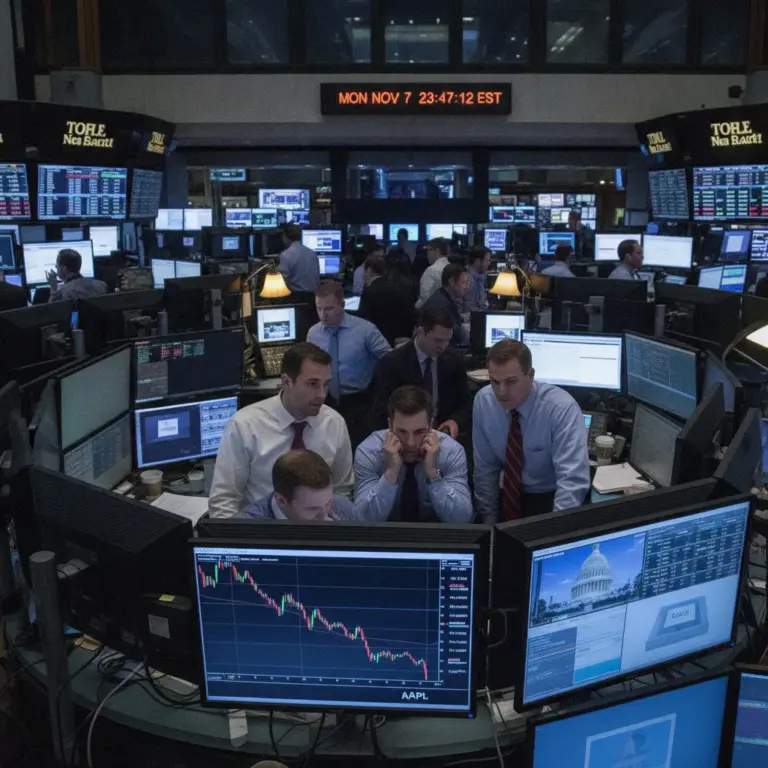

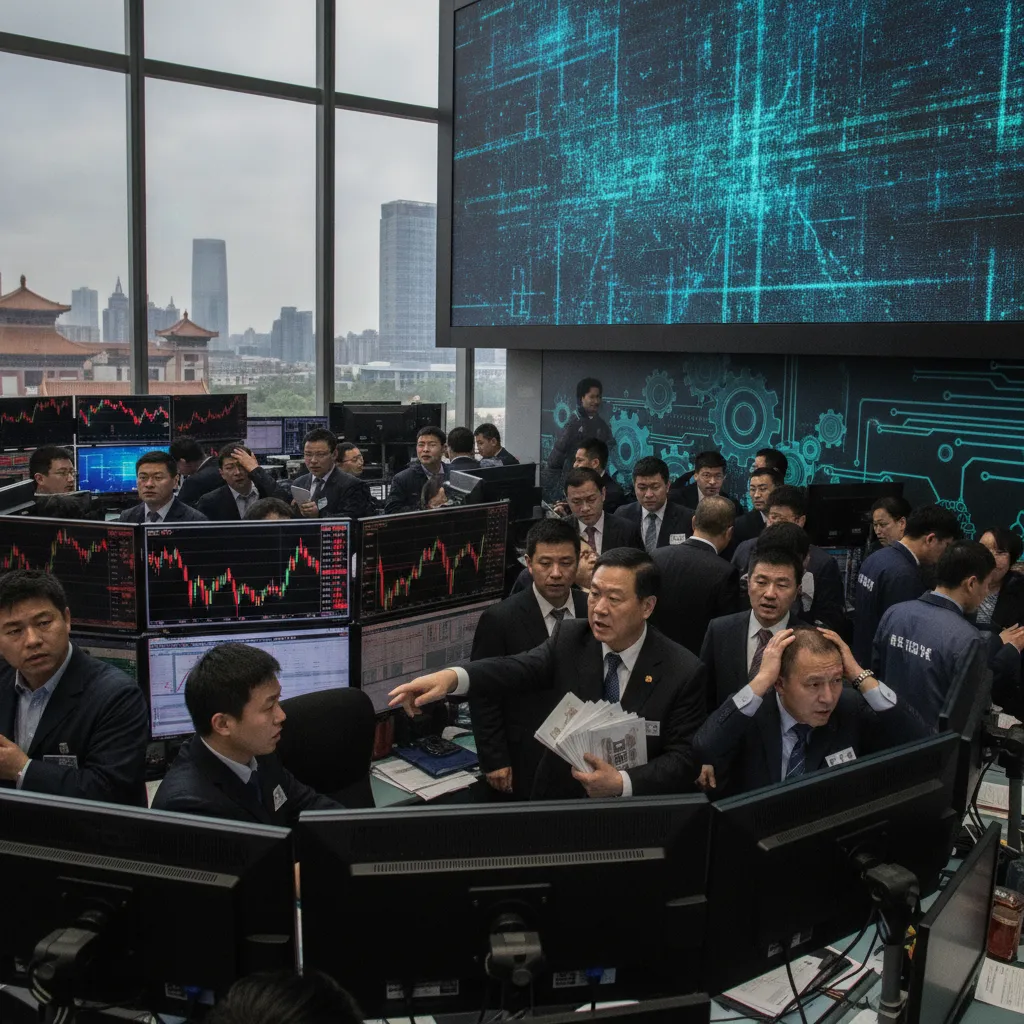
Beijing is scrambling to stabilize its equity markets after a dramatic collapse in artificial intelligence and semiconductor stocks wiped out hundreds of billions of dollars in value. To stem the bleeding, the central bank recently launched a series of swap operations providing over 100 billion yuan in liquidity support to dozens of securities firms and fund managers. Government officials have also attempted to incentivize stability by lowering the cost of financing for share buybacks and urging major tech giants to repurchase their own stock.
Despite these interventions, investors remain jittery and the recovery has been fragile at best. While there was a brief glimmer of hope early in the week, indices like the tech-heavy STAR 50 continued to slide, reflecting a brutal correction from previous peaks. This crash follows a period of intense euphoria sparked by an initial wave of stimulus last September, but the momentum evaporated quickly as reality set in regarding the actual pace of domestic technological progress and shifting capital spending patterns globally.
Market analysts suggest that current government actions are designed merely to prevent a total freefall rather than spark a new bull run. By providing liquidity, Beijing hopes to stop investment firms from being forced into fire sales to cover investor withdrawals. However, deeper structural issues continue to haunt the market, including a persistent slump in real estate, weak consumer demand, and stagnant overall economic growth.
Ultimately, experts believe that simple liquidity injections may not be enough to restore long term confidence. Unlike the aggressive pivots seen earlier in the year, these recent moves lack the power needed to reverse a downward trend driven by fundamental economic weakness. Without more comprehensive reforms or surprising breakthroughs in AI development, the window for a genuine market rebound remains stubbornly closed.